If you are thinking about selling in Morris County, your first two decisions matter more than almost anything else: how you price your home and how well you prepare it before it hits the market. That can feel like a lot to balance, especially when countywide numbers look strong but each town moves a little differently. The good news is that with the right strategy, you can avoid over-improving, launch with confidence, and put your home in the best position to attract serious buyers. Let’s dive in.
Why pricing matters so much
Morris County remains a market where well-positioned homes can move quickly. Realtor.com’s April 2026 county snapshot shows a median listing price of $699,900, a median sold price of $667,500, and median days on market of 26, while New Jersey REALTORS reported 1.2 months of supply for single-family homes in February 2026 and 102.3% of list price received.
Those numbers tell an important story. Buyers are still active, but they are also paying attention. In a market where homes are often selling near asking price on average, the first list price is not just a placeholder. It sets the tone for the entire sale.
Morris County pricing is hyper-local
One of the biggest mistakes sellers make is assuming countywide averages apply evenly across every town. They do not. Morris County includes a wide range of submarkets, and pricing needs to reflect what buyers are doing in your specific area, price range, and property type.
For example, current Realtor.com snapshots show Morristown with a median listing price of $687,500 and 27 days on market, Denville at $624,500 listing and 21 days on market, Randolph at $800,000 with 20 days on market, and Montville at $854,495 with 36 days on market. Madison is currently classified as a seller’s market, while Parsippany and Mendham Township are described as more balanced.
That is why a countywide number is only a starting point. Your pricing strategy should be based on recent nearby comparable sales, current competition, condition, lot features, and buyer expectations in your town, not a broad county average alone.
Why overpricing can backfire
It is tempting to test the market with a high number, especially when inventory is tight. But in a market where many homes go pending quickly, an overpriced listing can lose momentum fast. Buyers often notice when a home sits longer than similar properties, and that can lead to price reductions or weaker offers later.
A better approach is to launch with a price that reflects the current market from day one. When the pricing is realistic and the presentation is strong, you are more likely to generate early interest, better showing activity, and stronger negotiating power.
Why underpricing is not always the answer
Pricing too low can create attention, but it is not automatically the best strategy for every seller. Your ideal pricing plan depends on your home’s condition, your timing, your competition, and the submarket you are in. A thoughtful launch aims to create interest without leaving value behind.
This is where experienced local guidance matters. In Morris County, the right price is usually a narrow target, not a wide range.
What prep actually helps before listing
Many sellers ask the same question: Do I need to renovate before I list? In most cases, the answer is no, at least not in a broad cosmetic sense. The more practical approach is to focus on visible defects, clean presentation, and smart improvements that help buyers connect with the home.
NAR seller guidance emphasizes decluttering, depersonalizing, deep cleaning, necessary repairs, and staging. Those steps usually deliver more value than taking on major projects that may not return their cost.
Start with condition and cleanliness
Before you think about decor, start with the basics. A home that feels clean, cared for, and functional is easier for buyers to trust. That does not mean perfection. It means showing that the property has been maintained.
Focus first on items like:
- Deep cleaning throughout the home
- Removing clutter from floors, counters, and storage areas
- Depersonalizing highly specific decor or family items
- Fixing visible defects such as loose hardware, chipped paint, or broken fixtures
- Addressing obvious maintenance issues that may distract buyers
If your roof, HVAC, or another major system is older or has known issues, a pre-list inspection may be worth considering. NAR guidance notes that it can help sellers identify problems early and provide repair receipts or supporting information to buyers.
Use selective staging, not all-or-nothing staging
You do not have to fully stage every room to make a strong impression. According to NAR’s 2025 staging report, 83% of buyers’ agents said staging made it easier for buyers to visualize the home as a future residence. At the same time, 51% of sellers’ agents said they did not fully stage homes but instead recommended decluttering or fixing property faults.
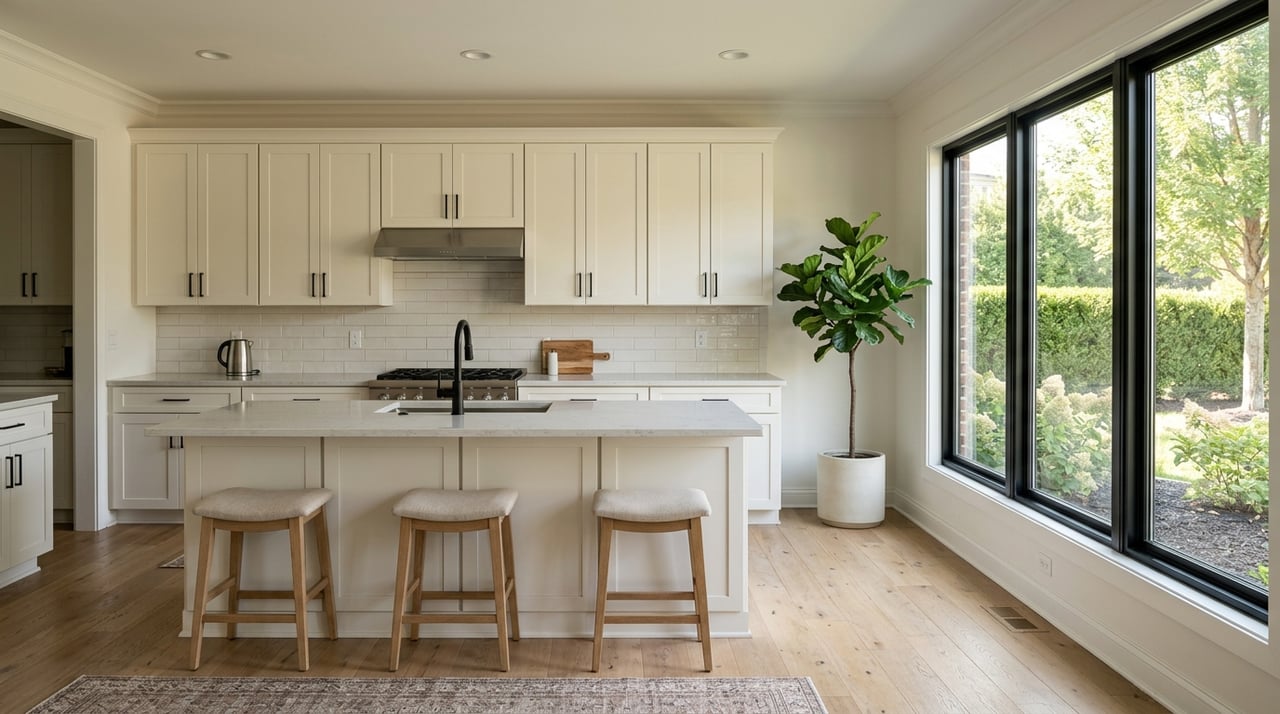
That is a helpful middle ground for many Morris County sellers. If you want to focus your effort, the rooms most often staged are the living room, primary bedroom, dining room, and kitchen. Even simple furniture edits, lighter decor, and better flow can make these spaces feel larger and more welcoming.
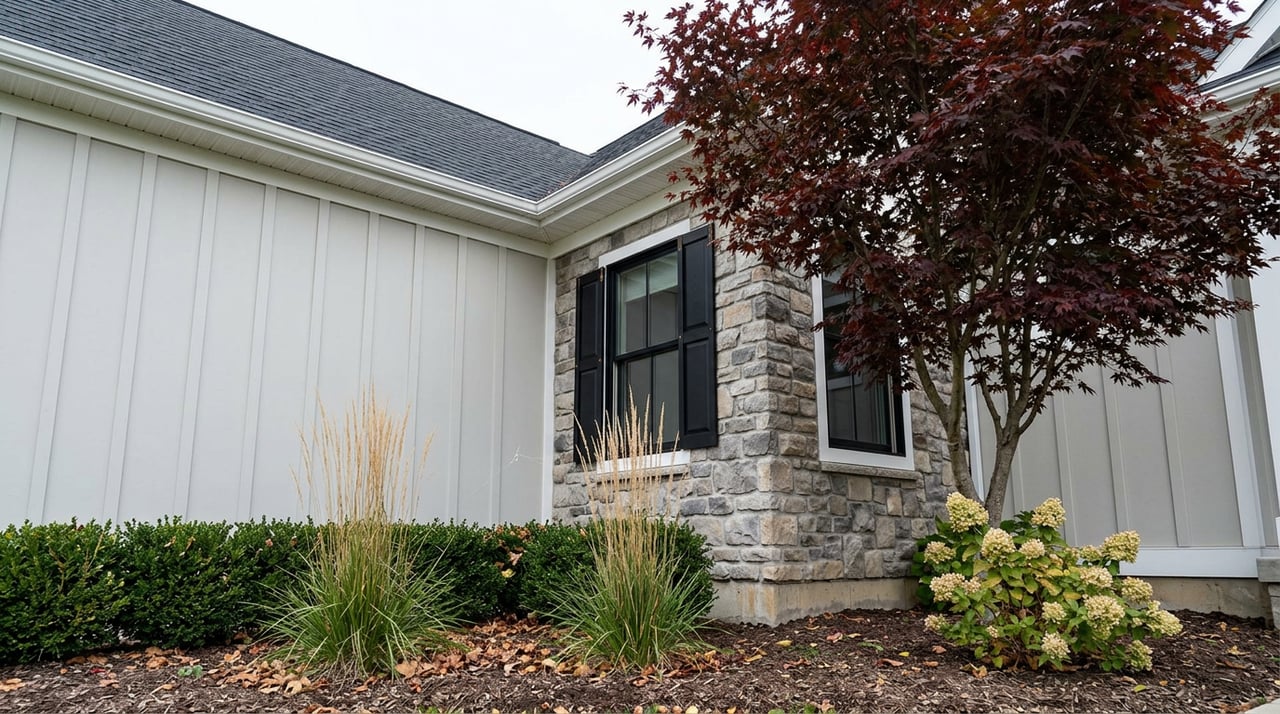
Improve curb appeal without overspending
Buyers start forming opinions before they ever walk through the front door. The exterior sets expectations for the rest of the showing. Fortunately, curb appeal improvements do not have to be expensive.
NAR recommends simple, low-cost updates such as:
- Trimming bushes and tidying landscaping
- Adding flowers or refreshing planting beds
- Mowing and edging the lawn
- Cleaning windows
- Updating exterior lighting
- Repairing driveway cracks
- Refreshing house numbers
- Adding a new doormat
These details help your home look cared for without pushing you into a major exterior project.
What should be done before the first showing
The homes that feel easiest to buy often have one thing in common: the seller handled the prep work early. That includes not only cleaning and staging, but also getting key paperwork and required items underway before buyers start coming through.
NAR’s showing checklist highlights simple habits that help a home show well every time. Before a showing, clear counters, wipe surfaces, open blinds or shades, turn on lights, neutralize odors, secure valuables, and make arrangements for pets to be out of the home.
Front-load your disclosure work
In New Jersey, some disclosure and transfer items can directly affect your timeline. Getting organized early can help prevent last-minute stress once you are under contract.
For Morris County sellers, important examples include:
- Flood disclosure: Beginning March 20, 2024, New Jersey requires sellers to disclose whether the property is in FEMA’s Special Flood Hazard Area or Moderate Flood Hazard Area, along with any actual knowledge of flood risk, before the buyer becomes obligated under the purchase contract.
- Lead-based paint disclosure: If the home was built before 1978, federal rules require disclosure of known lead-based paint or hazards, available records, the EPA pamphlet, and an opportunity for the buyer to conduct lead testing or risk assessment before contract signing.
- Private well testing: If the property uses a private potable well, New Jersey’s Private Well Testing Act requires water testing during the sale, and both buyer and seller must review the results before closing. Title cannot close until the results have been reviewed and signed off on.
- Radon documentation: NJDEP says most radon tests in New Jersey are done during real estate sales. If the home has been tested, the seller must provide the buyer a copy of the results and any mitigation evidence at contract signing.
- Smoke, carbon monoxide, and fire extinguisher certification: New Jersey DCA requires compliance certification used in property transfers, including smoke detectors on each level, a smoke detector and carbon monoxide alarm near sleeping areas, working alarms, and a properly mounted portable fire extinguisher within 10 feet of the kitchen.
If you prepare these items early, you reduce the risk of delays when your buyer is ready to move forward.
How move-in ready does your home need to be?
This depends on your submarket and price point. In several Morris County submarkets, homes are moving in roughly 20 to 27 days, while some balanced areas may give sellers a bit more flexibility. That means buyer expectations can vary depending on where your home is located and how it compares with nearby listings.
In fast-moving areas, buyers may respond quickly to a home that feels clean, well-priced, and easy to understand. In more balanced pockets, presentation can matter even more because buyers may have more options to compare. Either way, the goal is not to create a perfect house. It is to remove avoidable objections.
A practical selling plan for Morris County
If you want a simple framework, here is the approach that tends to make the most sense:
- Review hyper-local comparable sales instead of relying on countywide averages alone.
- Choose a launch price that matches current buyer behavior in your town and price band.
- Fix visible issues and handle deferred maintenance that could undermine confidence.
- Declutter, deep clean, and simplify key rooms.
- Refresh curb appeal with low-cost exterior improvements.
- Begin disclosures, certifications, and any required testing as early as possible.
- Make every first showing count.
This kind of plan protects both price and timing. It also helps you spend where it counts instead of pouring money into upgrades that may not move the needle.
The bottom line on pricing and prep
Selling a home in Morris County is not about using a one-size-fits-all formula. It is about reading your submarket carefully, pricing with discipline, and preparing the home in a way that builds buyer confidence from the start. In today’s market, that combination can make a real difference in how quickly your home sells and how strong your final outcome is.
If you are getting ready to sell and want a steady, personalized plan, Connie Manailovich can help you evaluate pricing, prep priorities, and next steps with the kind of thoughtful guidance that makes the process feel manageable.
FAQs
What is the typical home price in Morris County, NJ?
- Countywide figures vary by source and timing, but recent 2026 data points include median listing prices around $699,900, median sold prices from about $667,500 to $623,333 depending on the dataset, and average home value estimates around $705,986. These numbers are useful as a starting point, but your town and price range matter more for actual pricing.
How fast are homes selling in Morris County, NJ?
- Recent data suggests many homes are moving relatively quickly. Countywide figures show about 26 median days on market, while some submarkets such as Denville and Randolph have been closer to 21 and 20 days respectively. New Jersey REALTORS also reported 37 days on market for county single-family homes in February 2026.
Should sellers renovate before listing a home in Morris County, NJ?
- Usually, broad renovations are not the first move. A more effective strategy is often to fix visible defects, deep clean, declutter, improve curb appeal, and make selective updates that help presentation without overcapitalizing.
What rooms matter most for staging a Morris County, NJ home sale?
- If you are not staging the whole house, the rooms most commonly staged are the living room, primary bedroom, dining room, and kitchen. These spaces often have the biggest impact on how buyers picture the home.
What disclosures are important when selling a home in New Jersey?
- Key items may include flood risk disclosures, lead-based paint disclosures for homes built before 1978, private well testing if the property has a potable well, radon test results if available, and smoke detector, carbon monoxide alarm, and fire extinguisher compliance certification for the transfer.
What should be ready before the first showing of a Morris County, NJ home?
- Your home should be clean, decluttered, and easy to show. It also helps to have disclosures organized and required transfer-related items already underway so you are not scrambling once a buyer is interested.