Selling your home in Union Township can feel simple on the surface, especially in a market where well-prepared homes can move quickly. But speed does not replace strategy. If you want strong interest, cleaner offers, and fewer surprises along the way, the work you do before you list matters. This guide walks you through the prep steps that can make the biggest difference, from cleaning and staging to permits, occupancy items, and New Jersey paperwork. Let’s dive in.
Understand Union Township market conditions
Union Township sits in a large owner-occupied market, with an estimated 2024 population of 63,171, a 73.3% owner-occupied housing rate, and a median household income of $115,938, according to the U.S. Census QuickFacts for Union Township. For you as a seller, that points to a stable suburban market where many buyers are looking for homes they can picture themselves moving into without much friction.
In ZIP code 07083, the market has been described by Redfin’s local housing data as very competitive. Homes received about two offers on average, sold in around 34 days, and had a February 2026 median sale price of $580,000 with a 102.7% sale-to-list ratio. That does not mean you can skip preparation. It means thoughtful pricing and polished presentation matter right away.
Focus on the prep that matters most
Before you spend money on major upgrades, it helps to know where buyers tend to focus their attention. The National Association of Realtors 2025 staging survey found that buyers cared most about the living room, primary bedroom, and kitchen. Those are your priority spaces.
The same report found that sellers’ agents most often recommend decluttering, cleaning the entire home, and improving curb appeal. In other words, the highest-value prep is often the least glamorous. A clean, bright, easy-to-understand home usually outperforms one with too much stuff, unfinished touch-ups, or distracting visual noise.
Start with cleaning and decluttering
If you only have time for a few things, start here. Deep cleaning and decluttering are among the most widely recommended pre-listing steps because they improve both in-person showings and listing photos.
Focus on:
- clearing countertops and tabletops
- removing extra furniture that makes rooms feel tight
- organizing closets and storage areas
- washing windows and wiping baseboards
- cleaning flooring, grout, and high-touch surfaces
- reducing personal items so buyers can focus on the home itself
A simpler space tends to feel larger, calmer, and more move-in ready.
Prioritize key rooms first
According to NAR, the rooms with the strongest staging impact are the living room, primary bedroom, kitchen, and often the dining room. If your budget or timeline is limited, direct your energy there first.
For these spaces, try to create a clean and balanced look:
- Living room: open walking paths, neutral accents, and good lighting
- Primary bedroom: minimal furniture, neat bedding, and cleared surfaces
- Kitchen: clear counters, fresh towels, and a clean sink and backsplash
- Dining room: simple place settings or minimal decor if staging is used
You do not need perfection. You need the home to feel cared for and easy to understand.
Make smart updates, not random ones
Some sellers assume they need a major renovation before listing. In many cases, that is not the most practical path. The NAR 2025 Remodeling Impact Report points to smaller cosmetic projects as some of the most relevant improvements before selling.
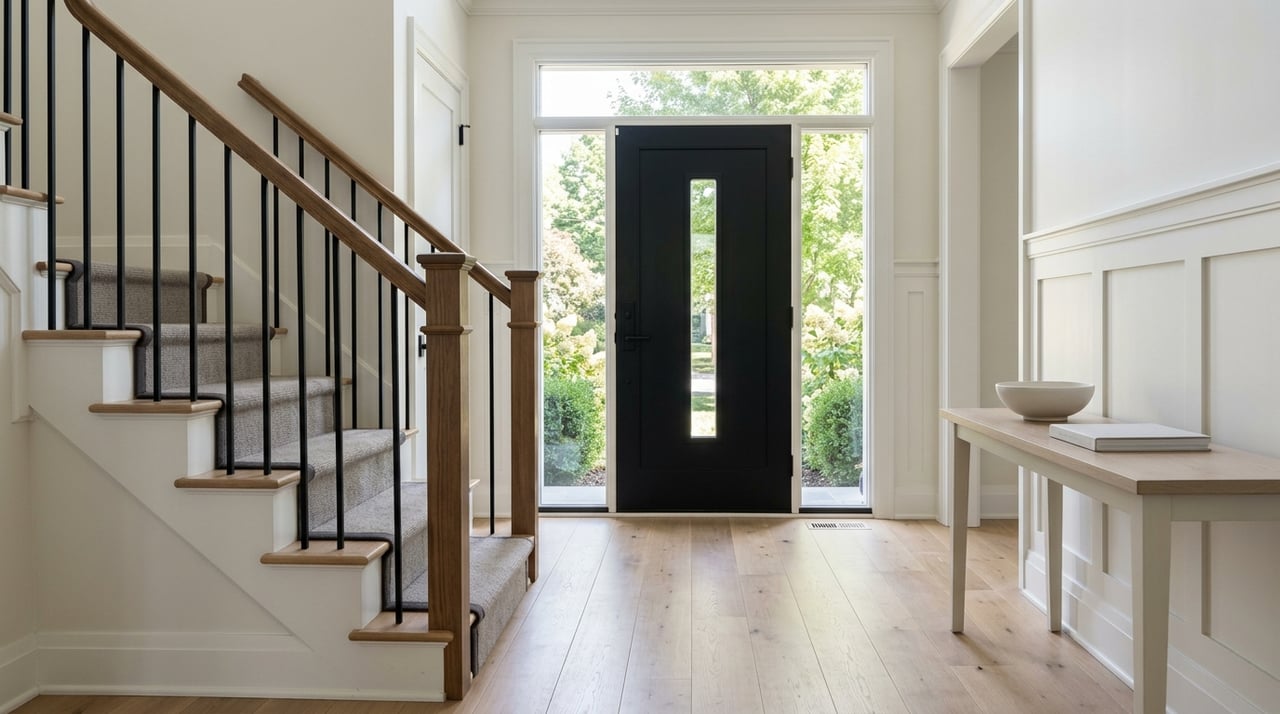
Projects REALTORS® most often recommended before sale included painting the entire home, painting one room, and new roofing. The same report noted 100% cost recovery for a new steel front door. These are useful examples because they support a simple principle: visible, functional updates often do more for market readiness than expensive overhauls.
Low-stress updates to consider
If your home needs a little polish, these projects are usually easier to evaluate before listing:
- paint walls in areas with scuffs, bold colors, or uneven wear
- touch up trim, doors, and baseboards
- replace worn hardware if it looks dated or loose
- refresh the front entry if it feels tired
- address roofing issues if they are known and documented
If you are unsure what is worth doing, a pre-listing walkthrough can help you separate true value-add work from projects that may not move the needle.
Improve curb appeal before photo day
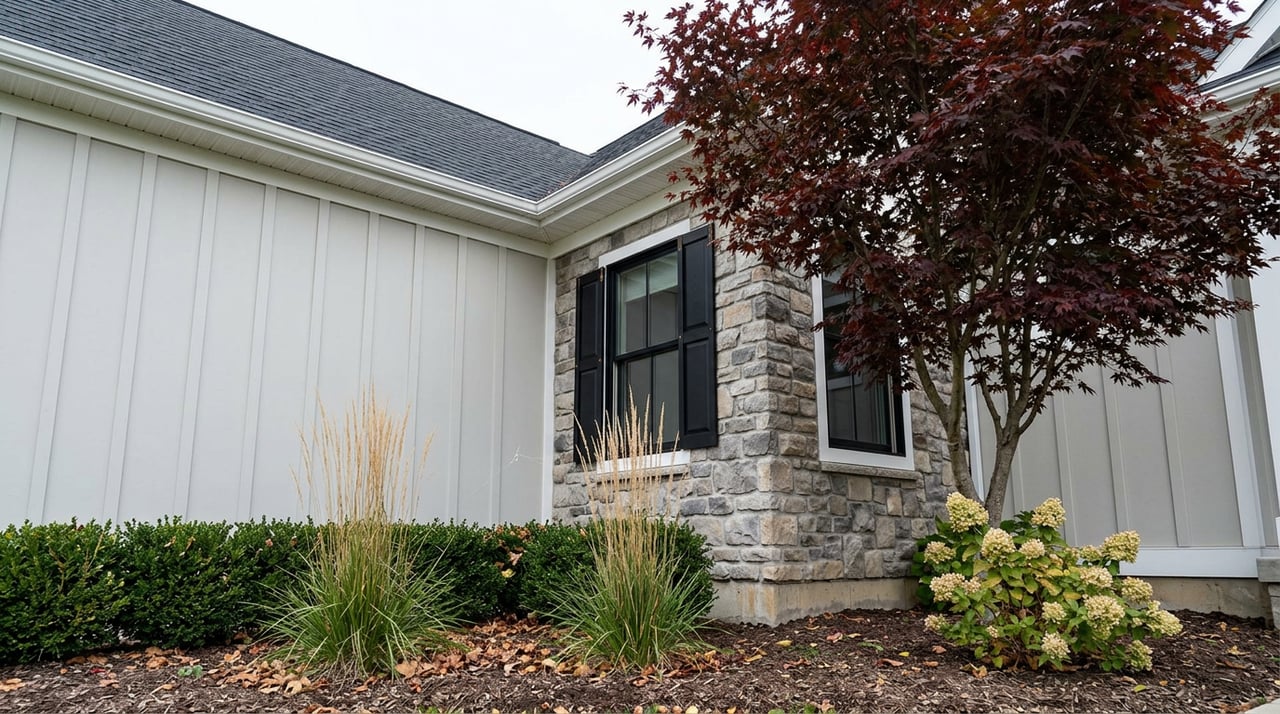
Your exterior sets the tone before a buyer ever steps inside. Since curb appeal is one of the most commonly recommended seller prep steps in NAR’s survey, it deserves attention early in the process.
You do not need elaborate landscaping. You just need the home to look clean, maintained, and welcoming from the street and at the front door.
Curb appeal checklist
- mow the lawn and trim overgrowth
- edge walkways and beds
- clear leaves, weeds, and debris
- clean the front door and entry area
- replace burnt-out exterior bulbs
- straighten house numbers, mailbox details, or loose fixtures
- store bins, hoses, and seasonal clutter out of sight
A tidy exterior supports the impression that the whole property has been well cared for.
Prepare for photos and showings
Photos should happen after the home is cleaned, decluttered, and staged, not before. NAR found that buyers’ agents rated listing photos as highly important, ahead of physical staging, videos, and virtual tours. The same survey also found that staging helped buyers visualize the home and that many buyers felt disappointed when a home looked different from what they expected.
That makes consistency important. If your listing photos show a bright, clean, spacious home, your in-person showing should match that experience as closely as possible.
What to do before photo day
- turn on lights and open window coverings where appropriate
- remove pet items, cords, and small countertop appliances
- clear bathroom counters except for simple essentials
- make beds neatly and use fresh towels
- hide trash cans and cleaning supplies
- check that every room has a clear purpose and flow
In a competitive Union Township market, details like lighting, clutter, and room layout can influence whether buyers feel confident enough to act quickly.
Handle township logistics early
One of the easiest ways to avoid delays is to start on municipal requirements before your home hits the market. The Union Township Building Department notes that zoning permits are required for items such as additions, decks, pools, fences, sheds, and driveway expansions. The township also says a survey copy must be provided with the application.
If you made improvements over the years, this is a good time to confirm the paperwork trail. Open permits or unclear records can slow down a transaction when buyers start asking questions.
Check occupancy-related requirements
Union Township’s certificate of continued occupancy procedure sheet says the inspection is intended to verify smoke detectors, carbon monoxide detectors, and fire extinguishers. It also states that open permits should be closed out first.
The same document notes:
- inspections run Monday through Friday from 10:00 a.m. to 2:00 p.m.
- the certificate is issued two full business days after final approval
- the certificate is valid for three months
- the certificate is not transferable
- battery-operated smoke alarms must be 10-year sealed battery units
If your timeline is tight, these details matter. Starting early gives you room to make corrections without pushing back your list date or closing.
Know the vacant-property rule
If you plan to move out before closing, check the township’s vacant-property rules. The Building Department says vacant-property registration is required within 14 calendar days after a property becomes vacant or after ownership is assumed. That is an easy item to miss if your sale involves relocation, an estate, or a vacant inherited property.
Review New Jersey closing and disclosure items
Township prep is only part of the picture. New Jersey also has state-level forms and seller obligations that can affect timing and your estimated net proceeds.
According to the New Jersey Division of Taxation home sale guide, sellers generally must furnish the GIT/REP form at closing, and most sellers are responsible for the Realty Transfer Fee. Nonresident sellers may also owe estimated tax at closing.
That is why it helps to talk through your expected net sheet before you launch the listing, especially if you are coordinating a move, estate distribution, or another purchase.
Complete disclosures carefully
New Jersey’s seller disclosure requirements also deserve early attention. The state’s flood-disclosure update added questions about FEMA flood zones, flood history, pooled water from heavy rain, and flood-insurance obligations, as outlined in the State of New Jersey announcement on flood disclosure updates.
The seller’s property condition disclosure statement is not a warranty, but it still needs careful, honest completion. If you have repair invoices, permit records, or service documentation, gather them before buyers begin asking for details.
Build a practical pre-listing timeline
A successful sale usually starts weeks before your sign goes live. If your home needs repairs, permit follow-up, occupancy preparation, or estate-related coordination, giving yourself more runway can lower stress.
A practical timeline may look like this:
Four to eight weeks before listing
- review permit history and township requirements
- identify repairs and touch-ups
- schedule deep cleaning and decluttering
- gather disclosure and repair documents
- discuss expected closing costs and net proceeds
Two to four weeks before listing
- finish paint touch-ups and curb appeal work
- stage or simplify key rooms
- close out unresolved permits if needed
- prepare for occupancy-related inspection items
Final week before listing
- complete photo-day cleaning
- confirm lights, alarms, and safety items
- remove remaining clutter
- make sure the home matches the presentation you want buyers to see
Why organized prep pays off
When a home is clean, clear, and properly documented, buyers tend to feel more comfortable making strong offers. Just as important, organized prep can reduce the chance of avoidable delays tied to permits, occupancy items, or incomplete disclosures.
That is especially valuable if your sale involves downsizing, relocation, or an estate situation with many moving parts. A steady plan can make the process feel much more manageable.
If you are getting ready to sell and want a calm, thorough strategy tailored to your property, Connie Manailovich can help you map out the right prep, timing, and presentation for a successful sale.
FAQs
Which rooms should you stage first when selling a Union Township home?
- Start with the living room, primary bedroom, and kitchen, since NAR’s 2025 staging survey found these were the most important rooms to buyers.
What home updates are most worth doing before listing in Union Township?
- The most evidence-backed steps are deep cleaning, decluttering, curb appeal work, and smaller cosmetic updates like paint touch-ups or entry improvements.
What can delay a home sale in Union Township, NJ?
- Open permits, missed occupancy inspection items, incomplete disclosure details, and unresolved New Jersey closing forms can all create delays.
When should you start preparing your Union Township home for sale?
- Start well before your target list date, especially if permits, repairs, or occupancy scheduling are involved, because the township certificate is valid for only three months and is not transferable.
What does Union Township check for in a certificate of continued occupancy?
- The township procedure sheet says the inspection is meant to verify smoke detectors, carbon monoxide detectors, and fire extinguishers, and it also notes open permits should be closed first.